

Biofuels may play a part in a greener future.
Biofuels sound promising—but how effective are they really? To gain perspective, we explored several articles published by reputable sources – Our World in Data, Nature, and the U.S. Department of Energy’s Alternative Fuels Data Center – for information on sustainable transportation fuels.
What is Biofuel, and How is It Made?
Biofuels are created by liquifying biomass, organic matter such as coffee grounds, sugarcane, wood waste, animal waste and more. Biomass is renewable, and can be used as an alternative energy source to replace fossil fuels (like oil, coal, and natural gas) for heat, fuel, or electricity.
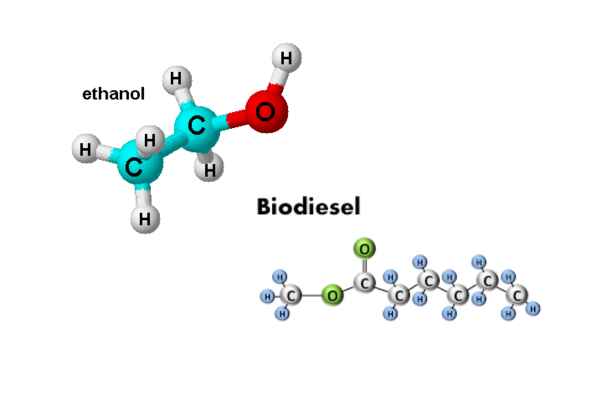
The two most common types of biofuels are ethanol and biodiesel. Most ethanol is made from plant starches and sugars, and can be blended with gasoline to increase octane, which improves engine efficiency and power. Biodiesel is nontoxic, and is created by combining alcohol with vegetable oil, animal fat, or recycled cooking grease.

Biofuels vs. Solar Energy
Let’s first compare biofuels for agriculture with solar energy.
According to Our World in Data, the most common biofuels today are corn-based (primarily in the U.S. and EU) and sugarcane-based (mostly in Brazil). Despite their prominence, biofuels account for only about 4% of global energy demand. In 2024, the world generated roughly 31,000 terawatt-hours (TWh) of energy, with biofuels contributing about 1,400 TWh.
But what if the land used for biofuel crops—roughly the size of Poland or Germany—were instead covered with solar panels? Analysis shows that this land could generate approximately 32,000 TWh of electricity per year, which is more than enough to meet the world’s energy needs.

If transportation relied on solar-powered electricity rather than biofuels, global road transport would require around 7,000 TWh per year. By converting less than 25% of current biofuel crop land to solar, we could power all cars and trucks worldwide, assuming a fully electric fleet. Solar also complements electric vehicles since EV batteries reduce energy storage concerns.
Land use is another important consideration. Public concern often focuses on solar farms’ impact on landscapes and wildlife, yet the environmental effects of biofuel crops are rarely scrutinized. Cornfields may look harmless, but these monocultures rely heavily on pesticides and fertilizers, which can harm waterways, air quality, and biodiversity. Solar installations, in contrast, allow for partial land regeneration and improved biodiversity in surrounding areas.
Project Drawdown’s analysis also echoes these concerns. Their findings indicate that corn ethanol, due to the expansion and intensification of corn production, does not reduce greenhouse gas emissions compared to gasoline. It is therefore not recommended as a climate solution.
Biofuels from Food Waste
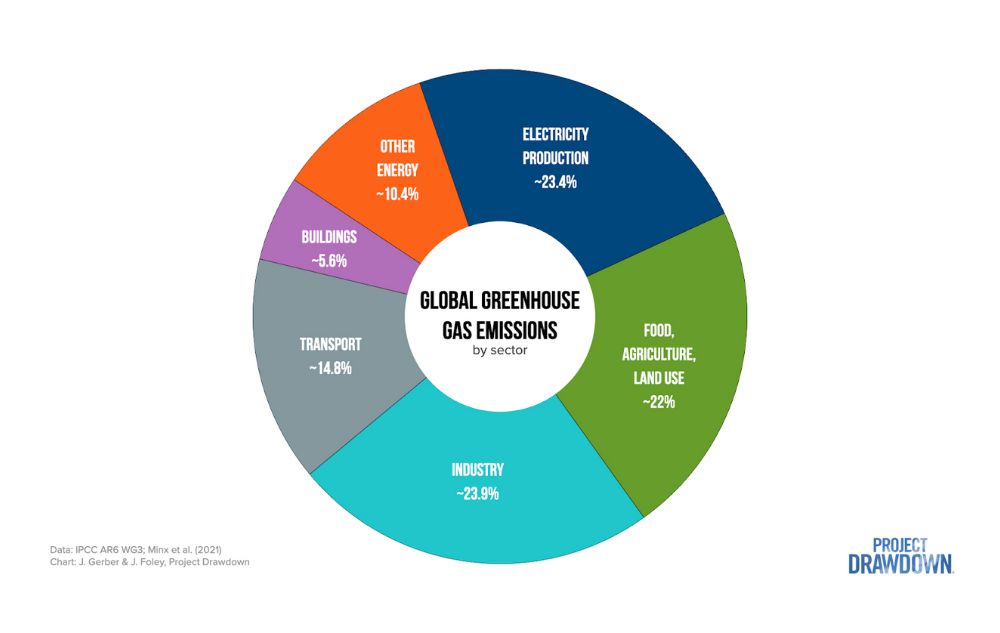
Does this mean biofuels have no role at all? Not necessarily. Food-system waste is a significant contributor to climate change, accounting for roughly 22% of global greenhouse gas emissions. The study published in Nature by Chen et al explores an innovative approach: converting food waste (e.g., cooking oil and crop residues) into biofuels to power food transportation.
Source: Project Drawdown
Transportation accounts for about 19% of food system emissions. Chen’s study, covering 130 countries, found that using just 20% of crop residues could meet most countries’ food transportation fuel needs. These crop residues could reduce emissions by 70% – a whopping 174.9 million tons.
This internal recycling loop reduces waste, cuts fossil fuel dependence, and mitigates emissions. A promising solution for the food system’s climate impact!
Sustainable Aviation Fuel
Air travel is essential for connecting people, cultures, and goods, yet it contributes significantly to climate change. Aviation accounts for roughly 3 billion tons of CO₂ emissions annually. When non-CO₂ effects are included (contrails, ozone formation, cirrus clouds), aviation represents about 5% of total anthropogenic warming.

Sustainable Aviation Fuel (SAF) is projected to bring aviation halfway toward net-zero emissions. An exciting collaboration between Firefly Green Fuels (UK) and Synagro (US) is underway to produce SAF from waste. Synagro is North America’s leading provider of biosolids and organic residuals management. It processes over 16 million tons of biosolids annually, with more than 80% diverted to beneficial reuse.
Firefly converts these biosolids into low-carbon jet fuel, achieving lifecycle carbon reductions of over 90% compared with fossil jet fuel.
This development turns an unavoidable human byproduct—sewage—into a climate-positive solution. These innovations are simultaneously addressing waste management and aviation decarbonization, while demonstrating that SAF from waste is both scalable and impactful.
For more information, watch From Waste to Wings: How Synagro and Firefly Are Transforming Biosolid to Sustainable Aviation Fuel.
Looking Ahead
No single solution will solve our energy and climate challenges. Converting all biofuel land to solar, using all food waste for biofuels, or relying solely on SAF will not achieve net zero. But combined, these solutions can make a meaningful difference. Energy strategists must consider multiple dimensions—production, environmental impact, land use, and ecosystem health. By asking better questions and remaining open to complementary solutions, we can take meaningful steps toward a sustainable future.

Written by Lorie Buckingham
OPL Founder and Wayfinder
“Over the years, I was struck by how our lifestyles cause stress both on us and the planet. This led me to explore and learn about sustainability and wellness. With a deeper understanding, I began to make tangible changes in my life. One Planet Life LLC was founded to connect with others on this journey. I hope that together we can make a significant difference for people and the planet.”
Dive Deeper into Biofuels with OPL Insights
One Planet Life’s Insights provide insightful, interactive data to help you better understand the world around you. Check out the graphs below to better understand how biofuel production has skyrocketed since 2000, and which states are leading the way in biofuel generation.
Discover More
One Planet Life Insights draw from a vast array of data gathered from the most reputable sources in the world. We curate and compile this rich information into interactive, easy-to-navigate insight maps to help you better understand your community and the world around us.