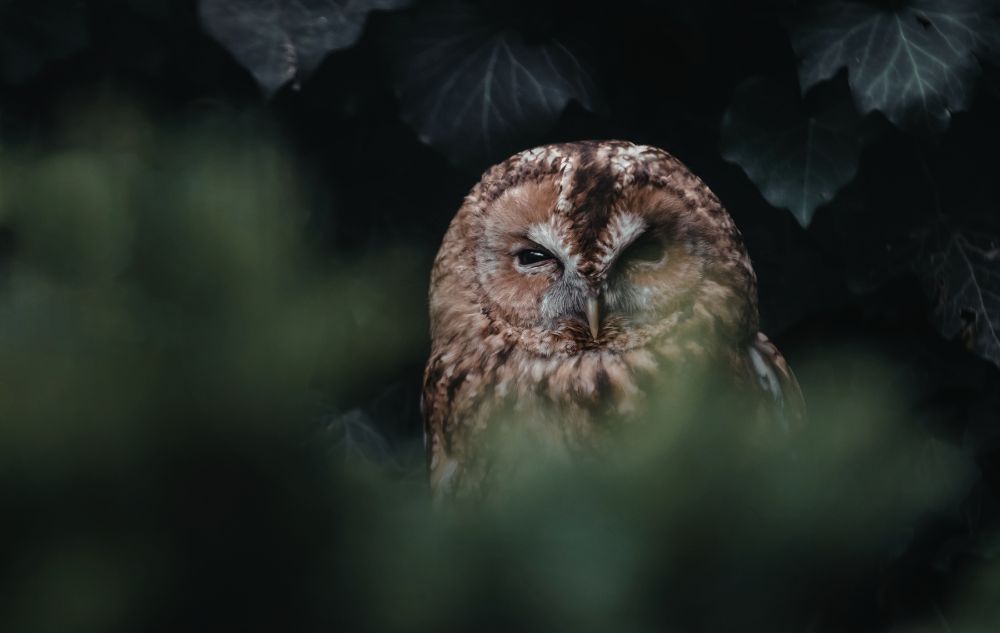
Pull the veil back on one of Nature’s most mysterious nighttime hunters.
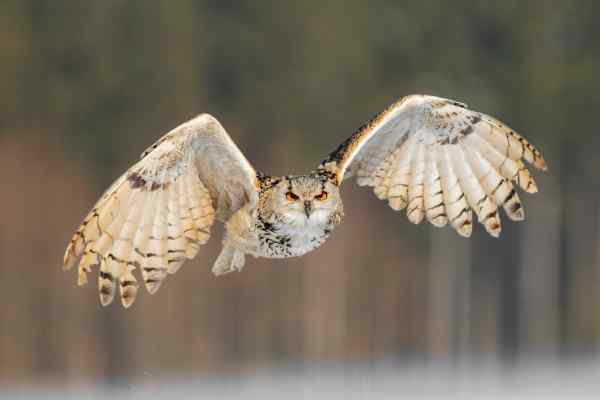
Owls are practically prehistoric: they have roamed the Earth for an estimated 55 to 65 million years. Scientists recognize roughly 260 species – a number that continues to grow! These nocturnal hunters are famously solitary and elusive. They are masters of silent flight, and much about their lives remains hidden.
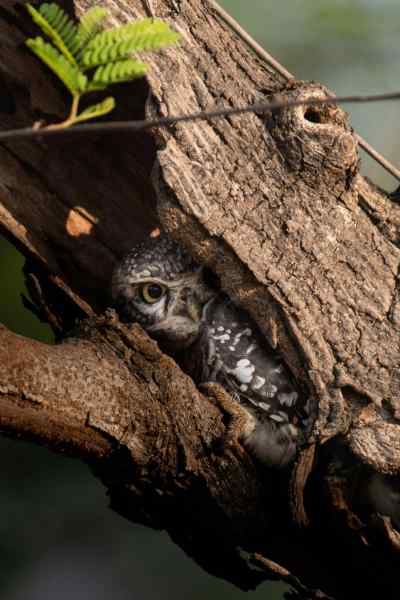
Are you lucky enough to spot one in the wild?
Most of us rarely glimpse an owl. Their nocturnal habits and secretive nature keep them out of sight, though they live on every continent except Antarctica. However, some regions of the world see higher concentrations of owls than others. Southeastern Brazil is home to seventeen of the country’s twenty-six species. Similar clusters of species can also be found in southern Asia, along the Arizona–Mexico borderlands, in sub-Saharan Africa, and in China.
Why such richness in these regions? One theory is that these areas have remained relatively stable for millions of years. These regions also contain a wide variety of habitats, from sandy shores, to grasslands and dense forests. Owls are apex predators, occupying the uppermost levels of the food web, where ecological space is limited. Their diversity depends on the long-term persistence of varied habitats that allow multiple species to coexist.
Across cultures, owls occupy a singular symbolic space, often seen as creatures that bridge the earthly and the ethereal.
There is still so much to learn about them. For instance, bonded pairs engage in what researchers call “soft talk”—a quiet, intimate exchange between mates. Scientists do not yet fully understand how owls find one another or decide to pair. But once bonded, this gentle communication becomes part of their relationship. They use it as they collaborate on selecting a nest site and raising their young.
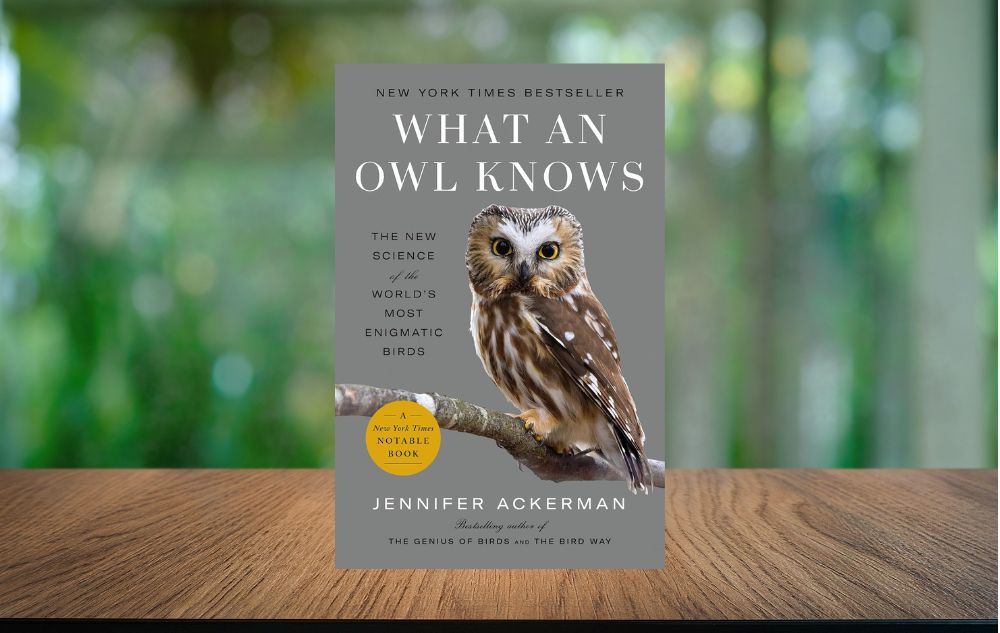
Understanding the psychology of owls—their inner lives—is far more difficult. They communicate in subtle ways, offering only faint clues to their emotional states. As Jennifer Ackerman notes in her book What an Owl Knows: “Only a very, very small number of owls become ambassador birds.” They are sensitive creatures with distinct temperaments. Like people, they choose whether to engage.
Stay wild, owl child.
The so-called Harry Potter effect has fueled global fascination with owls, especially in parts of Asia where they are seen as symbols of good fortune. Their large forward-facing eyes and expressive, almost humanlike faces make them irresistibly compelling. It is easy to project our emotions onto them and to imagine they think as we do.
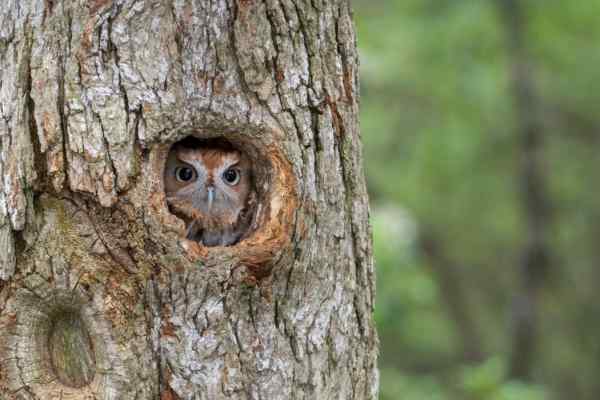
In many countries, including the United States, keeping an owl as a pet is illegal. Only licensed handlers may care for them, and then solely for rehabilitation or educational purposes. Small species such as the Northern Saw-whet Owl and the Eastern Screech-Owl were once thought to be easy to train. They appeared calm and compliant. We later realized we had misunderstood their behavior. When frightened, small owls freeze, compressing their bodies into the smallest possible profile. They become still in an attempt to disappear.
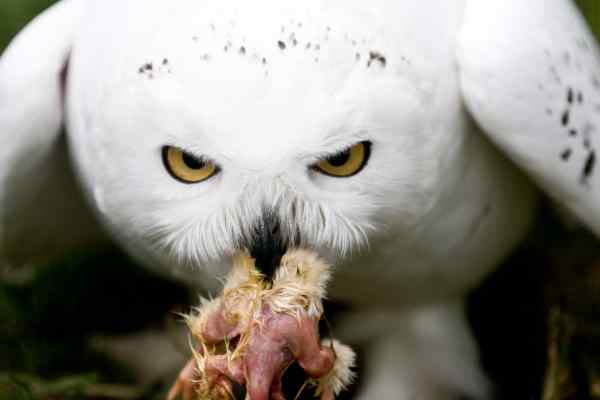
What we interpreted as cooperation was often terror. As Ackerman observes, “The owl may be doing what we ask, but inside it is dying.”
But nature—and every creature within it—is a world unto itself. Owls belong to intricate ecosystems that function independently of us. That independence is part of their beauty. We must resist the impulse to possess what enchants us. The camera offers a gentler alternative. When we stand still and lift a lens, we preserve a fleeting moment without disturbing it. We hold the image, not the creature. And that is enough.
Serbia’s pest management professionals are all-natural and beloved by all.
In northern Serbia, the town of Kikinda hosts astonishing winter roosts of Long-Eared Owls. As many as 30,000 birds gather in urban trees. In a single square, hundreds may perch together, transforming the scene into something that feels almost theatrical. Why here? Why year after year?
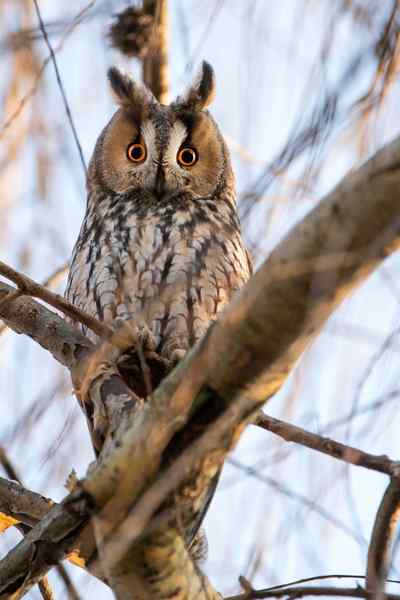
The answer lies in agriculture. Northern Serbia is largely farmland, and many farmers avoid rodenticides. Instead, they rely on traditional harvesting methods that leave grain scattered in the fields. That grain feeds rodents; the rodents feed the owls. It is a vivid example of ecological interconnectedness: when one link in the chain is sustained, the whole system thrives.
Kikinda’s main square has been declared a nature reserve—the first urban protected area in Serbia—to safeguard the owls’ winter habitat. During Christmas and New Year’s celebrations, decorations are not permitted in the trees where the owls roost, despite those trees being prime display spots. Disturbing the owls can result in fines of up to €10,000. The entire month of November is dedicated to them in a celebration known as “Sovember” (from sova, the Serbian word for owl). Schoolchildren write poems, create artwork, and even bake owl-shaped cookies in their honor.
Owl Conservation Efforts Around the Globe
Conservation efforts extend far beyond Serbia. The Global Owl Project coordinates collaborative research across 65 countries to study, track, and protect owl habitats worldwide. The Difficult Bird Research Group focuses on Australian species that are rare, endangered, or challenging to study. They work tirelessly to prevent extinctions and to better understand bird ecology.
The more deeply we learn about owls, the more clearly we see the delicate web that sustains them—and us. In protecting their habitats, we safeguard the intricate living systems to which we all belong.
Discover More About Nature’s Feathered Friends with These Recommended Reads:
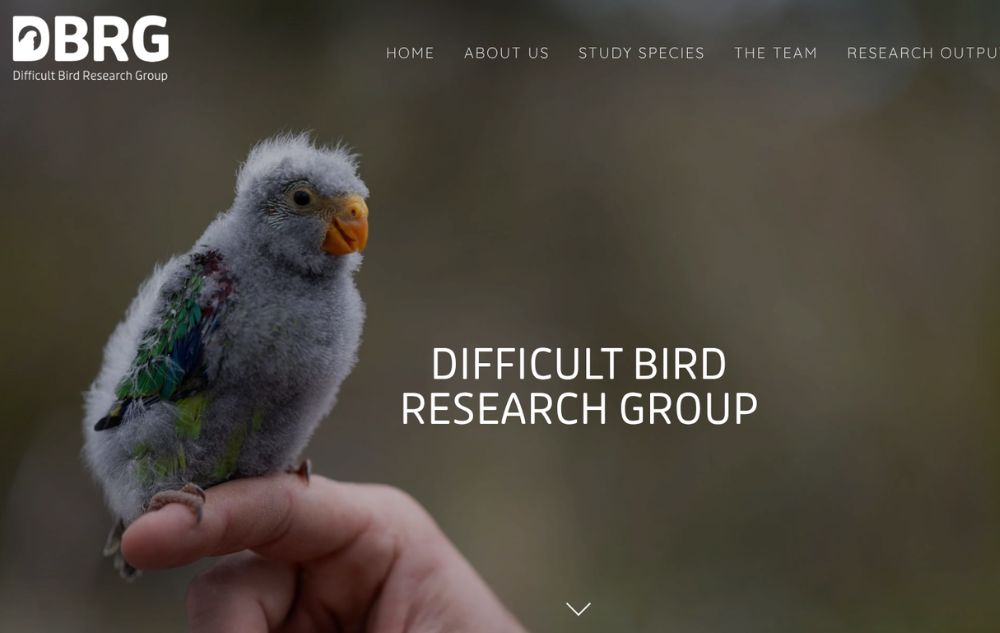
Learn more about some of the amazing bird species found in hard-to-reach places in Australia.
Check out the Difficult Bird Research Group!

Written by Lorie Buckingham
OPL Founder and Wayfinder
“Over the years, I was struck by how our lifestyles cause stress both on us and the planet. This led me to explore and learn about sustainability and wellness. With a deeper understanding, I began to make tangible changes in my life. One Planet Life LLC was founded to connect with others on this journey. I hope that together we can make a significant difference for people and the planet.”